Table of Content
Additional benefits also come from the bio-slurry fertilizer containing nitrogen, potassium, calcium, magnesium, and in small amounts phosphorus, sulfur, and ferrum . All of which will boost your plants’ potential to grow and fight disease. Its liquid form means it’s easily absorbed and saves time and labour that would be spent on managing a compost pile. Check out our Grow Your Own guide to learn more about preparing and planting your own veggie patch. Finally, once you’ve set it up (no technician needed!), you will need to activate it using 100 litres of animal manure and wait 1-3 weeks for the gas to generate.
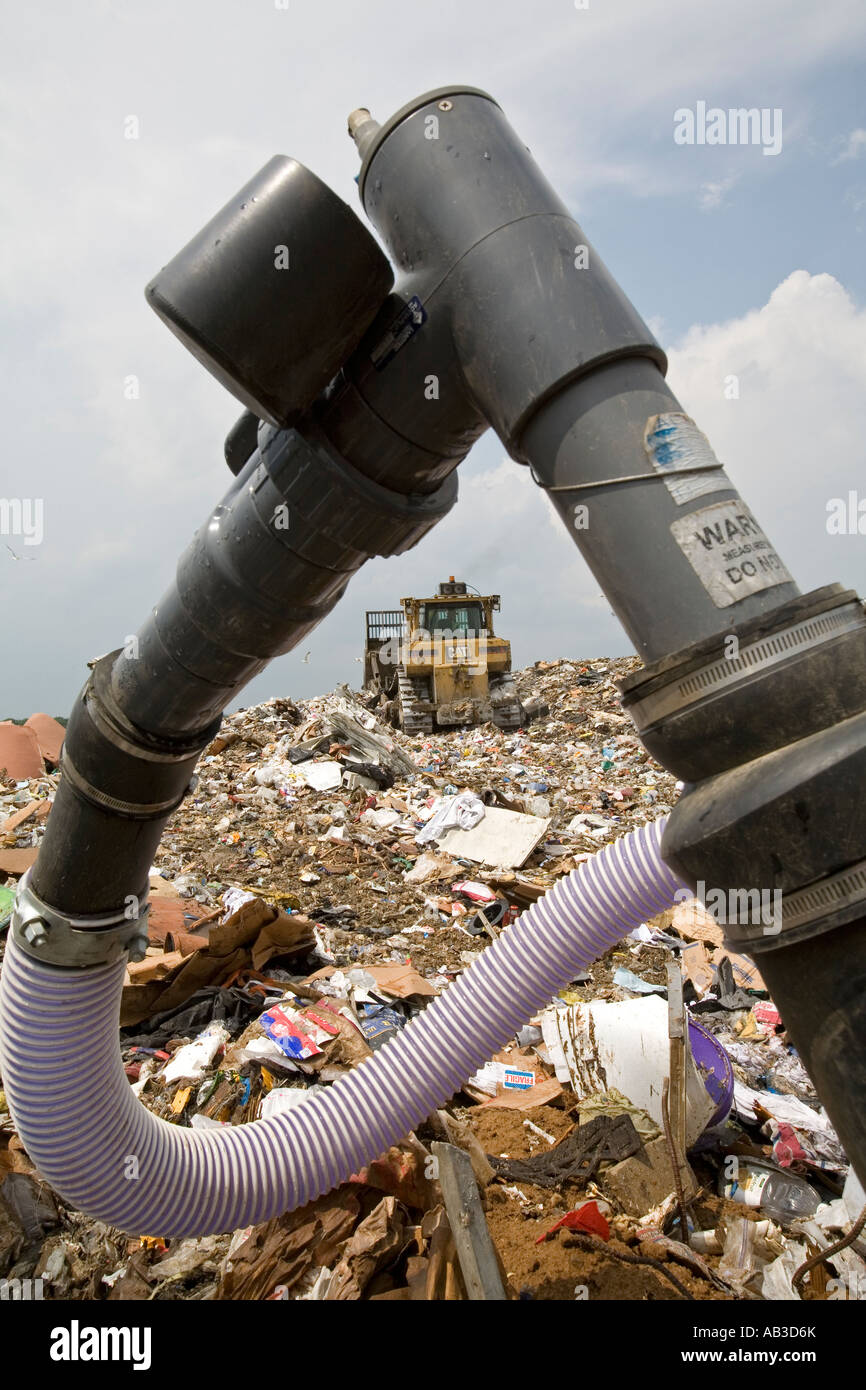
In the beginning, acidogens break down the waste into simple fatty acids. However, for a Biodigester to produce enough methane to make it practical for cooking alone, it would require all the household waste and toilet waste plus more manure from large farm animals. The Intergovernmental Panel on Climate Change estimates that an average biodigester tank produces 25.5 g of methane per user per day, which is not enough even for cooking a one-pot evening meal. As most UK households do not keep cattle or pigs, small scale Biodigesters are not practical in the UK. However, many people think of a biodigester as a tank which digests, anaerobically, without air, organic material and produces methane gas for cooking, lighting and heating ect.
The Advantages and Disadvantages of Anaerobic Digestion vs Composting
Due to the maturity of this technology, we used a learning rate of 2 percent, similar to that for conventional technologies such as coal and natural gas power. We used an average capacity factor of 92 percent for the solution, compared with 57 percent for conventional technologies. Learn not just the “why” of going green, but the “how,” with quick-and-easy tips to substitute unsustainable and unhealthy products with greener options. Each chapter has seed, sprout, and tree steps to help meet you where you’re at and develop your green practices in a way that works with your lifestyle. With additional micro-actions and tips throughout as well as definitions for commonly used green terminology, this book is for people just getting started or those looking to learn more eco-friendly hacks.
The safest bet is to burn the gas as soon as possible instead of storing long-term. Crosby is among the handful of biogas enthusiasts who spend their time perfecting digester designs and discussing improvements online. He believes that would-be home biogas digester constructors should build a tiny gallon-jug model before going all out with a small-scale or large-scale digester. We suffered a lot from mosquitoes and smell and complaints from our neighbors before we build the biogas plant.
methane digester
For an average apartment block, it could be done at least in theory be located if the apartment had a reasonably sized rooftop area. Home biogas plants must not be situated indoors due to the safety hazard should the gas escape. Firstly, you feed your kitchen leftovers into the home biodigester unit, then inside bacteria can get to work on decomposing your scraps in a natural process called anaerobic digestion, done without the presence of oxygen. This in turn releases the biogas that is fed back into the kitchen to a cooking stove and completes the cycle.
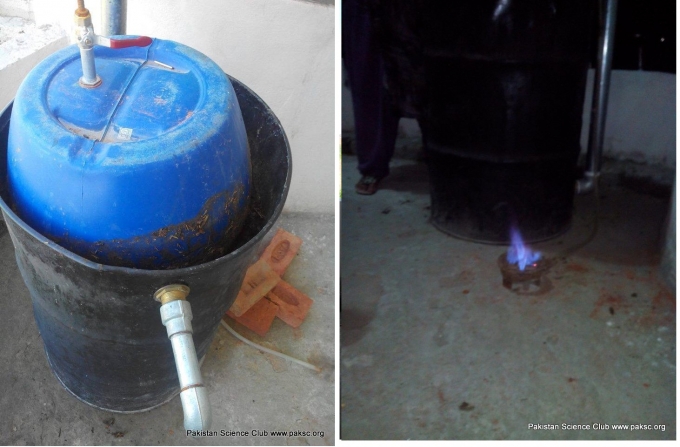
But for those who can’t resist a challenge, Crosby shares with Grit the basics for a plan of a small-scale home biogas digester, designed to handle the flushes of a family of six. Look for information about these plans and a lively discussion of biogas construction online at But, you do have to spend time mashing up all your kitchen waste and touring it into the tank each day. But, if you have the time and enthusiasm to do this over a number of years this can be very good.
Turn your waste into clean energy
2.The optimal temperature for a biodigester to work properly is 38°C This is difficult to achieve in the UK. Web Traffic by SimilarWeb Traffic Homebiogas is ranked 652,866 among websites globally based on its 64,947 monthly web visitors. HomeBiogas do state that their digesters can be used in an urban environment, and located on rooftops.

The photo of the big plant shows the 1‚000-gallon digester in a pit over which we’ll erect a greenhouse. Since the picture was taken‚ I’ve put up five courses of cement blocks for the greenhouse and I’m starting on the rafters. I have a 275-gallon tank mounted on a chassis in which we’ll haul spent slurry from the methane plant to eight acres of gardens.
HoMethan Technology
When matter breaks down and there is no oxygen, then the anaerobic bacteria break down the matter and produce biogas as a waste product. Plus, unlike oil, which is a finite resource, methane is constantly being produced on our planet. Plus, once methane gas is produced, the waste substances left over - both solids and liquids - can be used as organic fertilizers.

In today’s world, large companies look to buy clean biogas and offset the amount of greenhouse gasses they emit due to mandated pollution standards they are required to follow. The mandates create a market for clean fuel, that is more beneficial to harvest and sell, rather than to harvest and consume. We do act as design consultants for larger commercial biogas plants, but not domestic scale. Food waste is a huge problem in the UK, so it could be argued that a method to produce renewable energy and gain value from food waste, should be a candidate for government financial assistance. But, on the other hand, using any biogas digester may not be effective in reducing food waste. The benefits from that could be in return, that they might get a supply of the digesters gas output piped into their homes.
Thanks to my scrounging‚ I’ve just finished an excellent 4′ X 8′ flat-plate solar collector for the 1‚000-gallon methane plant. It’s of absolutely superior quality and I guess it was originally used to circulate steam through vats of molten metal in an industrial plating operation. Jim Burgel saves money and resources by constructing a home methane digester out of recycled materials.
It may be connected to a sewage system or a manually fed bucket in the yard. The gas produced can be directly used to cook or heat water. However, it is safer to use the gas immediately it is produced as it is highly flammable.
In a home biogas digester, anaerobic bacteria (bacteria that thrive in an oxygen-free environment) decompose organic matter into methane, carbon dioxide and sludge. In the first stage, acidogens (acid-producing bacteria) break down the raw waste into simple fatty acids. In the second stage, methanogens (methane-producing bacteria) consume the acids and produce biogas as a byproduct. Acidogens are hardier critters than methanogens, which makes biogas production never a sure thing. The trick is that the two organisms must be in balance, or else the pH balance of the system will kill off the critters. They breakdown manure to release methane used to produce biogas which is a renewable source of energy.


No comments:
Post a Comment